

Invited Speakers
AEpiA 2026 Invited Speakers
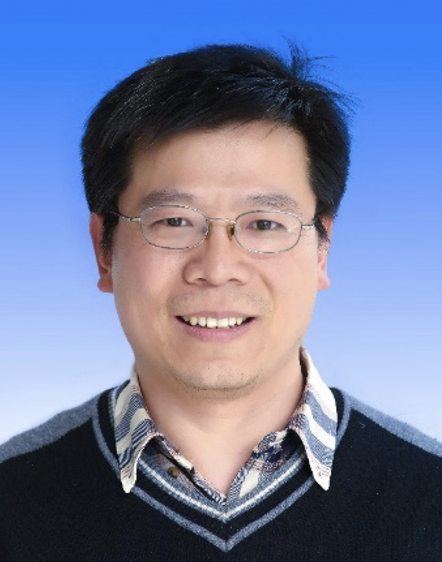
Dr Guohong Li
China
Laboratory of Chromatin and Epigenetic Regulation
College of Life Sciences, Wuhan University
Institute of Biophysics, Chinese Academy of Sciences
Dr. Guohong Li is currently a professor of College of Life Sciences at Wuhan University (Hubei, China). Dr. Li received his undergraduate degree from Wuhan University and his Master of Science from Peking University Health Center in 1998 and his Doctor of Philosophy (Dr. Rer. Nat.) degree from Heidelberg University in 2003. Dr. Li carried out his postdoctoral training with Dr. Danny Reinberg at UMDNJ and NYU from 2003 to 2009. Dr. Li joined the Institute of Biophysics, Chinese Academy of Sciences in 2010 as a CAS Hundred Talents Investigator, and Dr. Li is the deputy director of National Laboratory of Biomacromolecules. Dr. Li’s group has been mainly focusing on studying the structure and biological functions of the 30-nm chromatin fiber in epigenetic regulation of gene expression, as well as the underlying molecular mechanisms. In the past years, Dr. Li’s group has made significant progresses on the structure and function of 30-nm chromatin fiber, the structure and function of centromeric chromatin, and epigenetic regulation of chromatin dynamics during cell fate determination. Dr. Li serves on editorial boards of Genome Biol., BAA-gene regulatory, and JBC, and receives a number of awards and honors, including Tan Jiazhen Awards for Life Sciences, HHMI International Research Scholar, New Cornerstone Investigator etc..
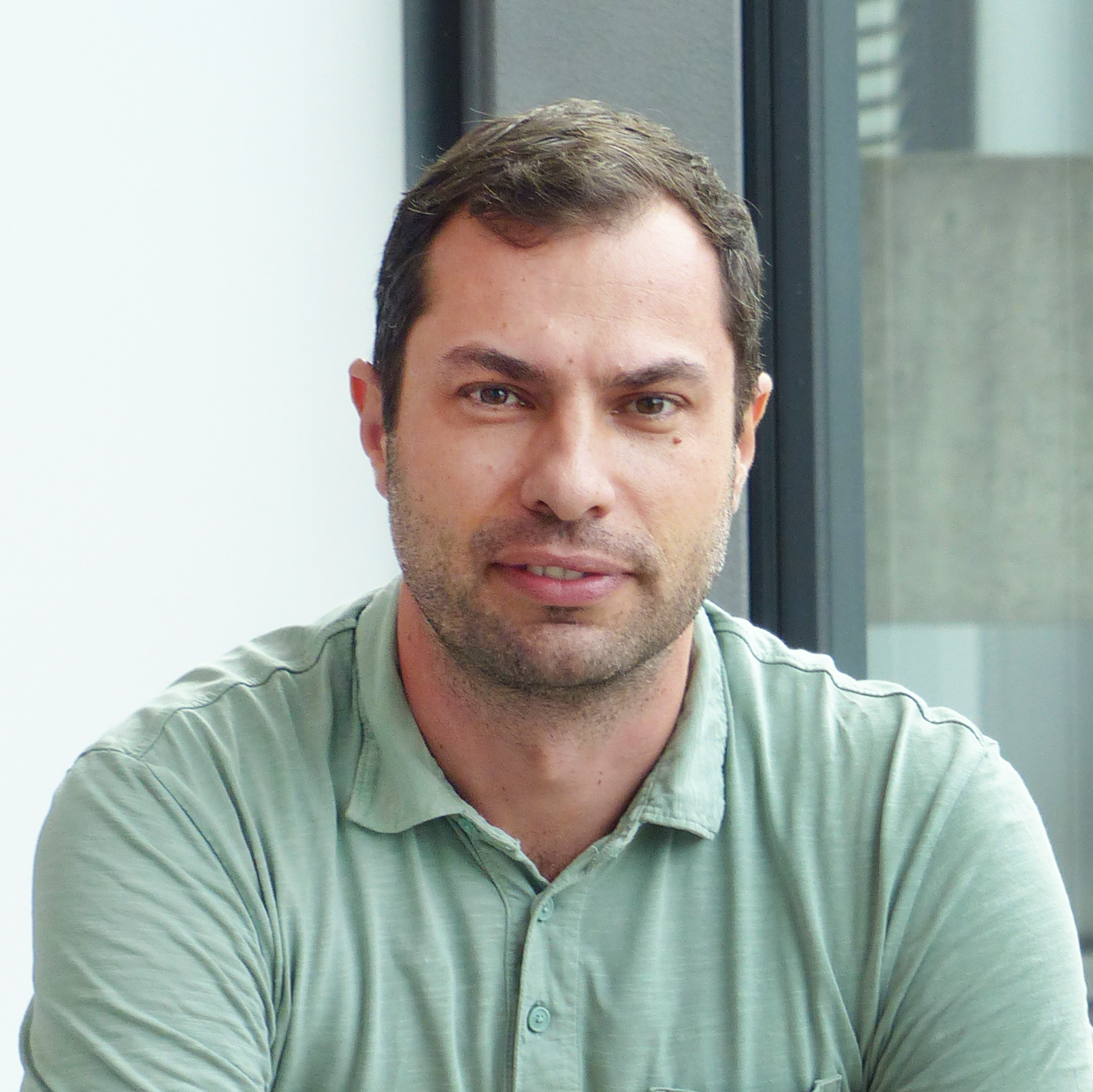
Dr Ralph Grand
Germany
Ralph studied molecular biosciences at Massey University in Auckland, New Zealand, and then continued with a PhD in genetics, investigating how three-dimensional genome conformation changed in response to the environment together with gene expression, under the supervision of Prof. Justin O’Sullivan, and supported by a Massey University doctoral scholarship. In 2015, Ralph moved to the Friedrich Miescher Institute for Biomedical Research (FMI) in Basel, Switzerland, to pursue a Postdoc in the lab of Prof. Dirk Schubeler, studying the mechanisms of how transcription factors engage DNA in the context of chromatin. During this time, Ralph discovered a new transcription factor called BANP, which was able to organise chromatin and activate genes essential for cell viability. For this work, he was supported by two prestigious fellowships, the EMBO long-term fellowship and the Marie-sklodowska Curie fellowship. Ralph then got the opportunity to start his own group at the Center for Molecular Biology (ZMBH) at Heidelberg University in 2022, where he continues to dissect the regulatory mechanisms that govern the expression of essential genes.
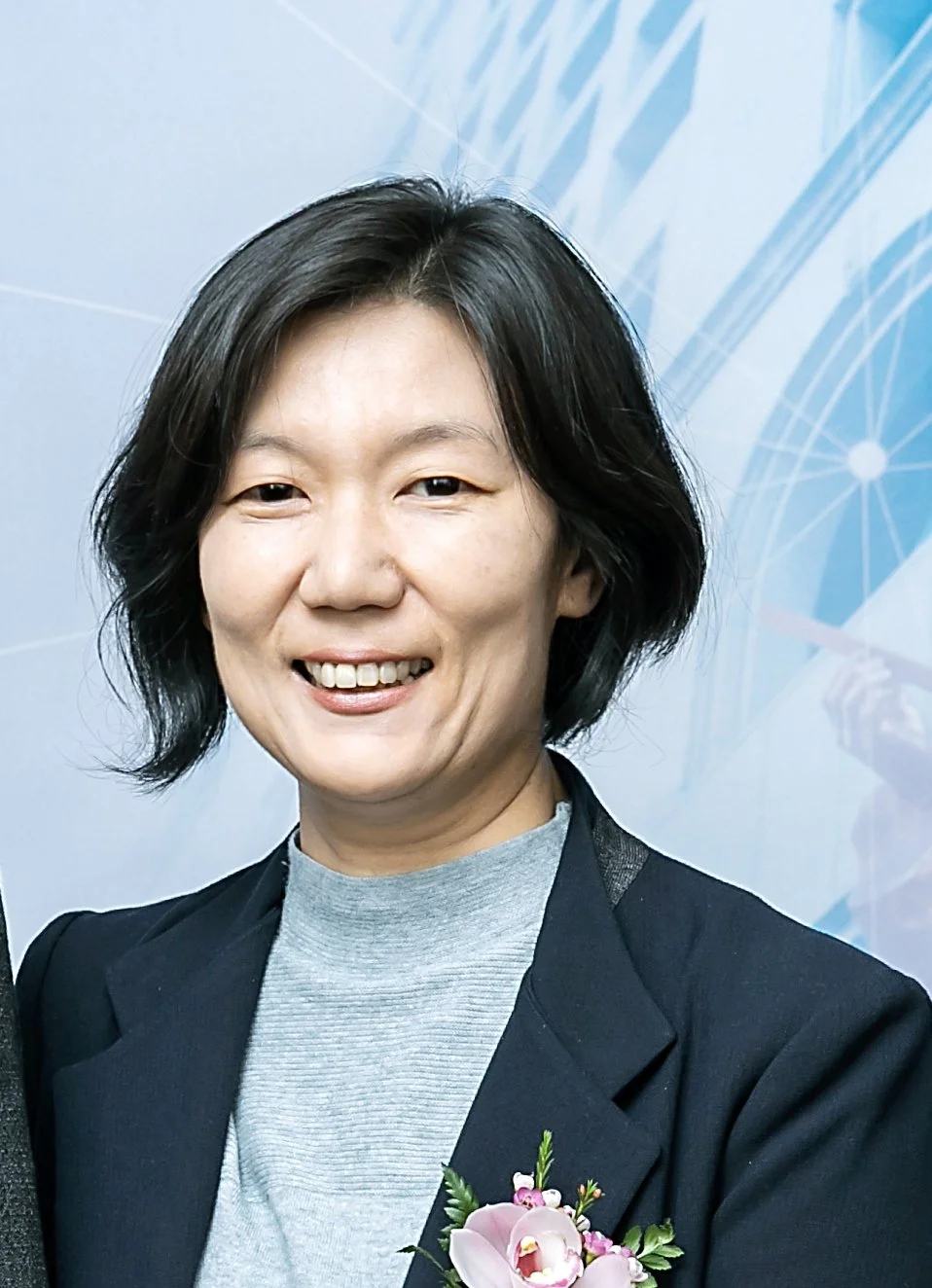
Professor Sung Hee Baek
South Korea
School of Biological Sciences, Seoul National University
Prof. BAEK is currently a Professor at Seoul National University in Seoul, Korea. Her research focuses on identifying novel epigenetic codes and regulators and determining their in vivo functions using mouse models.
She began her academic journey as an Assistant Professor in the School of Biological Sciences at Seoul National University (2003-2007). She was promoted to Associate Professor (2008-2012) and subsequently to Professor (2012-present). In 2020, she was elected as a Fellow of the Korean Academy of Science and Technology (KAST) and became an Advisory Member of the Presidential Advisory Council on Science & Technology.
Prof. BAEK has been honored with several prestigious awards throughout her career. These include the 4th L’OREAL-UNESCO for Women in Science Award in 2005, the 12th Young Scientist Award from the Korea Science and Engineering Foundation in 2009, the 11th Kyung-Ahm Prize in Arts & Sciences from the Kyung-Ahm Education & Culture Foundation in 2015, and the 65th National Academy of Sciences Award in the Natural Sciences Division from the National Academy of Sciences in 2020.
She earned her B.S. degree in 1994, M.S. degree in 1996, and Ph.D. degree in 1999 from the School of Biological Sciences at Seoul National University, Korea.
National Speakers
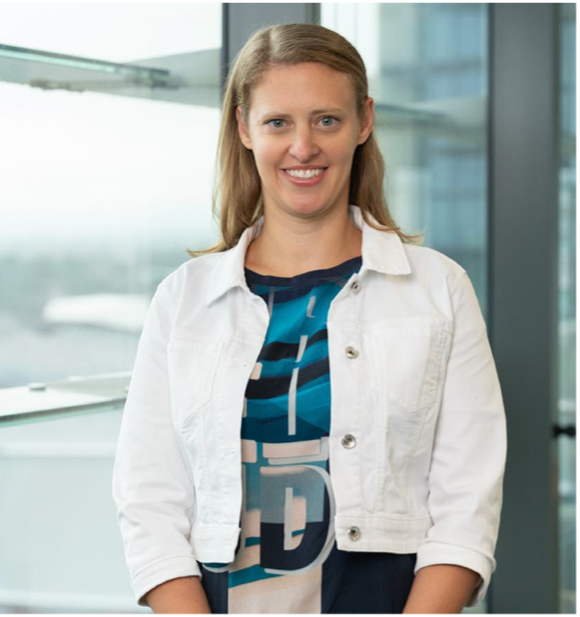
Dr Joanna Achinger-Kawecka
Dr Joanna Achinger-Kawecka is a Laboratory Head at the South Australian immunoGENomics Cancer Institute (SAiGENCI) at the University of Adelaide. She completed her PhD in cancer epigenetics at the University of Tubingen, Germany, supported by the Marie Curie Fellowship. Her work has significantly advanced the understanding of the 3D genome and epigenome in cancer, including the development of innovative technologies and bioinformatics for mapping 3D chromatin structure in cancer cells. Her research has been recognised by numerous awards including the Viertel Senior Medical Research Fellowship, National Breast Cancer Foundation Fellowships and Prostate Cancer Foundation Australia Young Investigator Award. She joined SAiGENCI in 2024, where she established the 3D Chromatin Organisation Laboratory. The lab integrates computational biology, functional genomics, and translational research to explore the principles of 3D genome folding and gene deregulation in rare and hard-to-treat cancers.
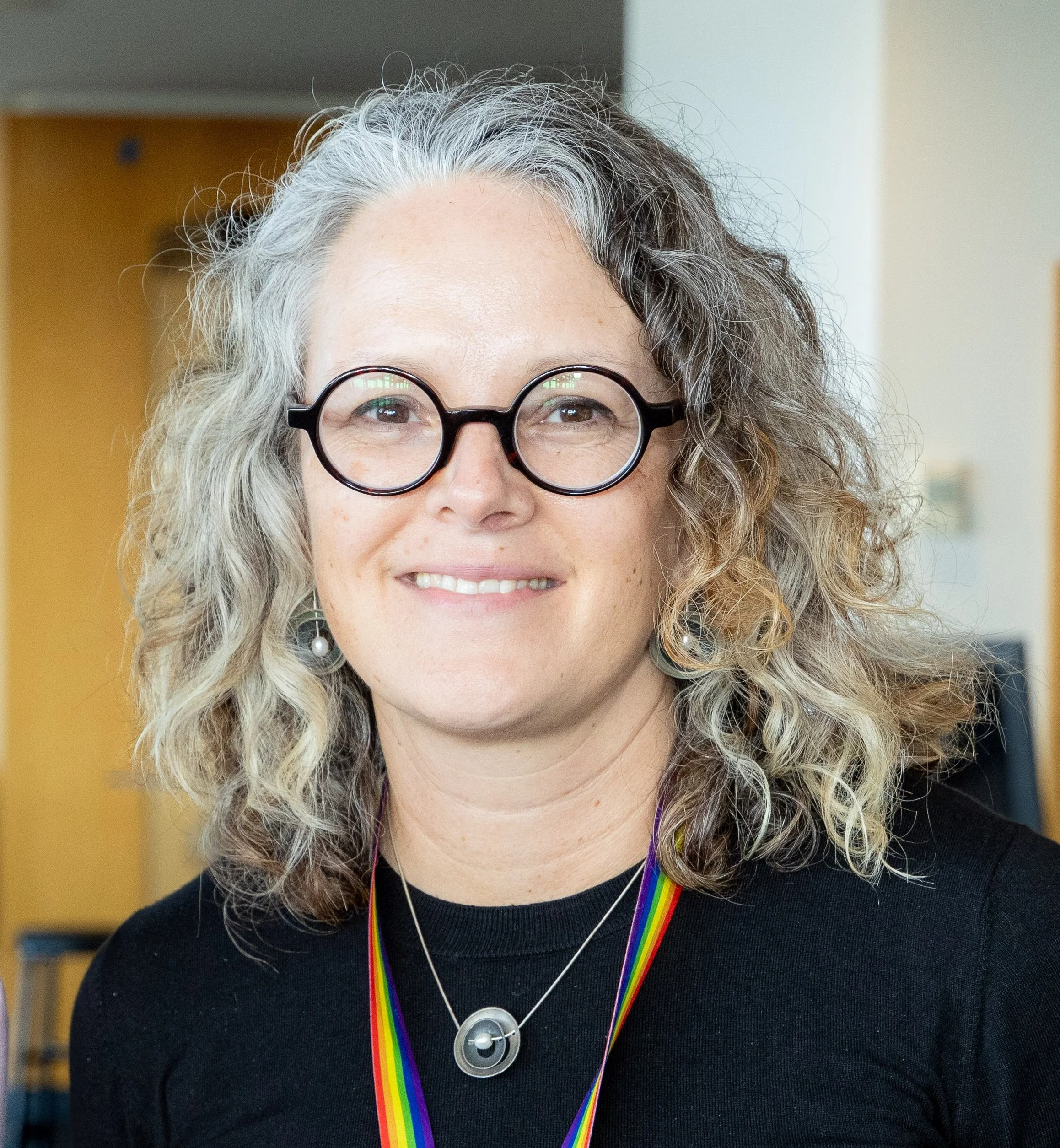
Professor Marnie Blewitt
Professor Marnie Blewitt is a lab head and Deputy Director at The Walter and Eliza Hall Institute of Medical Research. She received her PhD from The University of Sydney in 2005, then undertook a post-doctoral period working on stem cell biology and the novel epigenetic protein SMCHD1. Her research is centred on understanding the molecular mechanisms of epigenetic control, and how such mechanisms can be manipulated in the context of disease. Marnie’s team’s work has recently resulted in spinout Togglelux Therapeutics, that focuses on inhibiting SMCHD1 to treat the imprinting disorder Prader Willi Syndrome. Marnie’s work has been recognised by the Australian Academy of Science Gani medal, The Genetics Society of AustralAsia Ross Crozier medal and the Lorne Genome Women in Science award.
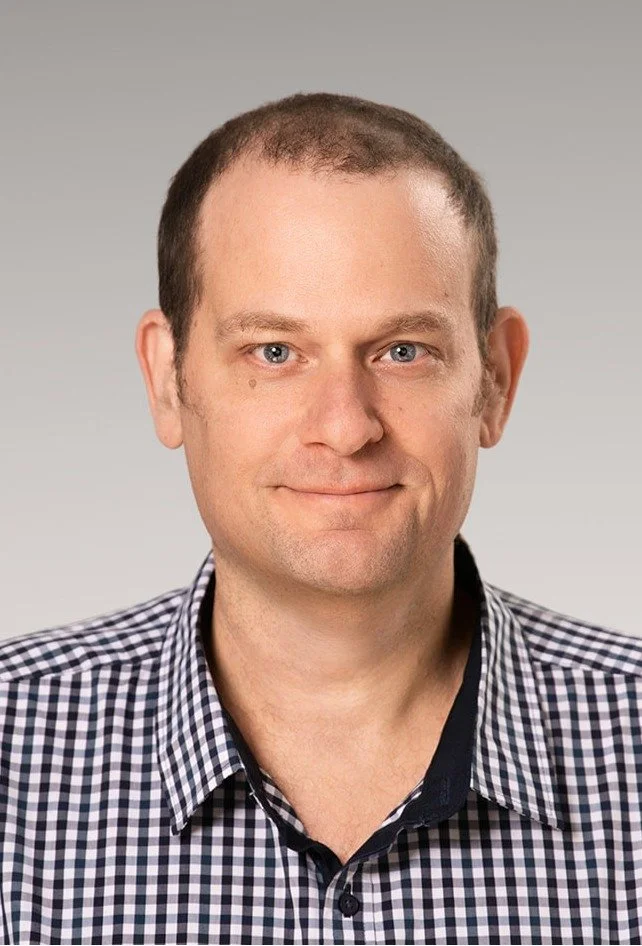
Professor Chen Davidovich
Professor Chen Davidovich is a structural biologist and biochemist who has been a Lab Head at Monash University since 2015. The Davidovich Lab focuses on the mechanistic basis of gene repression and RNA-mediated regulation of chromatin modifiers. The lab integrates structural biology approaches, including single-particle cryo-EM, cryo-ET, and X-ray crystallography, with biophysical and biochemical analyses of reconstituted systems in vitro, molecular and genomic studies in cells, and functional studies in genetically modified mouse models.
Prof. Davidovich conducted his postdoctoral research on RNA-mediated regulation of PRC2 with Prof. Tom Cech (CU Boulder/HHMI) and completed his PhD on X-ray crystallography of ribosomes with Prof. Ada Yonath (Weizmann Institute). He is currently an ARC Future Fellow and was previously an EMBL-Australia Group Leader, Viertel Senior Medical Research Fellow, Fulbright Fellow, Rothschild Fellow, and Adams Scholar of the Israeli Academy.
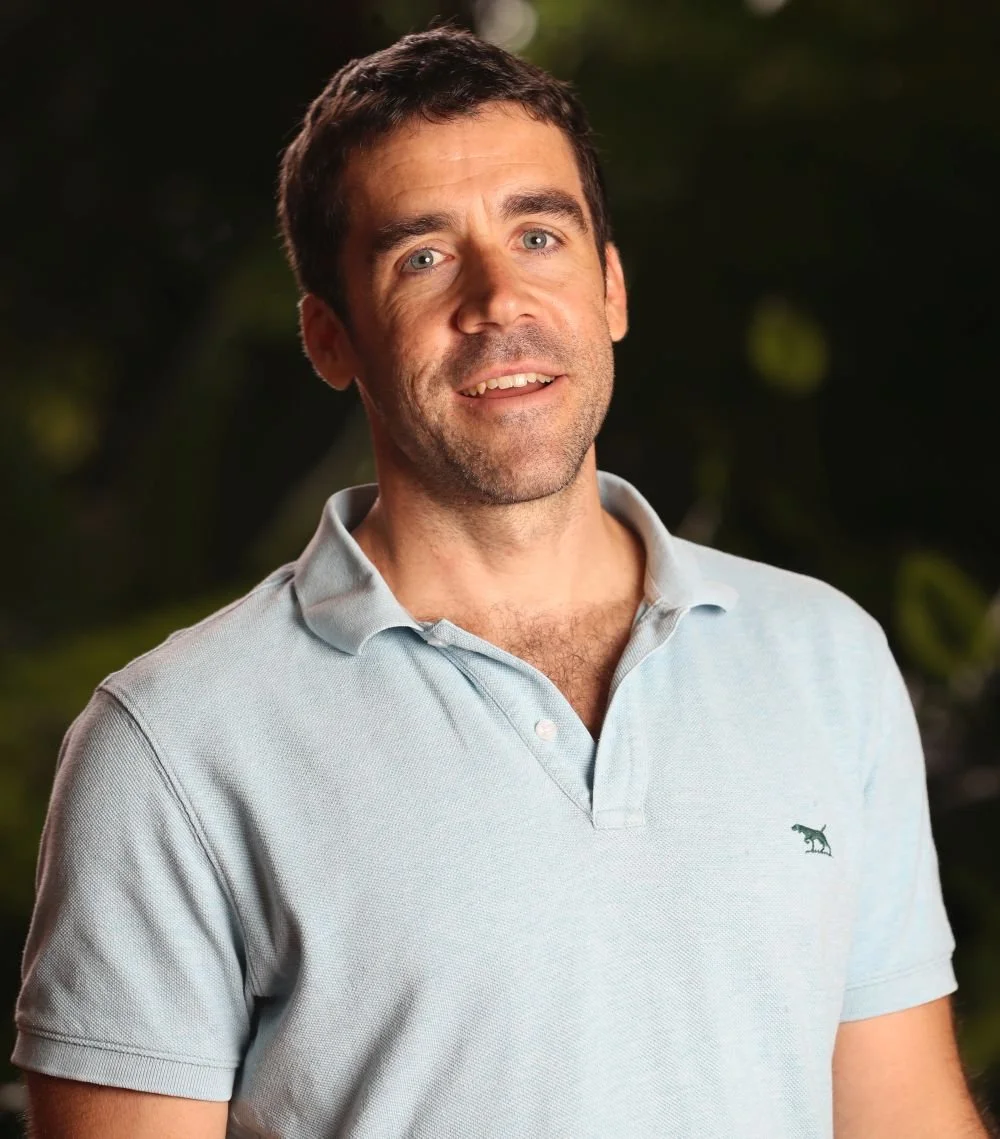
Professor Geoff Faulkner
Professor Geoff Faulkner is a computational biologist interested in mobile DNA and its contribution to mammalian biology. Prof Faulkner was awarded a PhD from the University of Queensland (UQ) in 2009 and currently holds a joint appointment between the Mater Research Institute and the Queensland Brain Institute. He has authored 107 peer-reviewed publications, including 56 as senior author, and these works have accrued more than 24,000 citations. Prof Faulkner's latest work is focused on the use of long-read sequencing to comprehensively survey DNA methylation and other mechanisms regulating mobile DNA activity during development and in human disease.
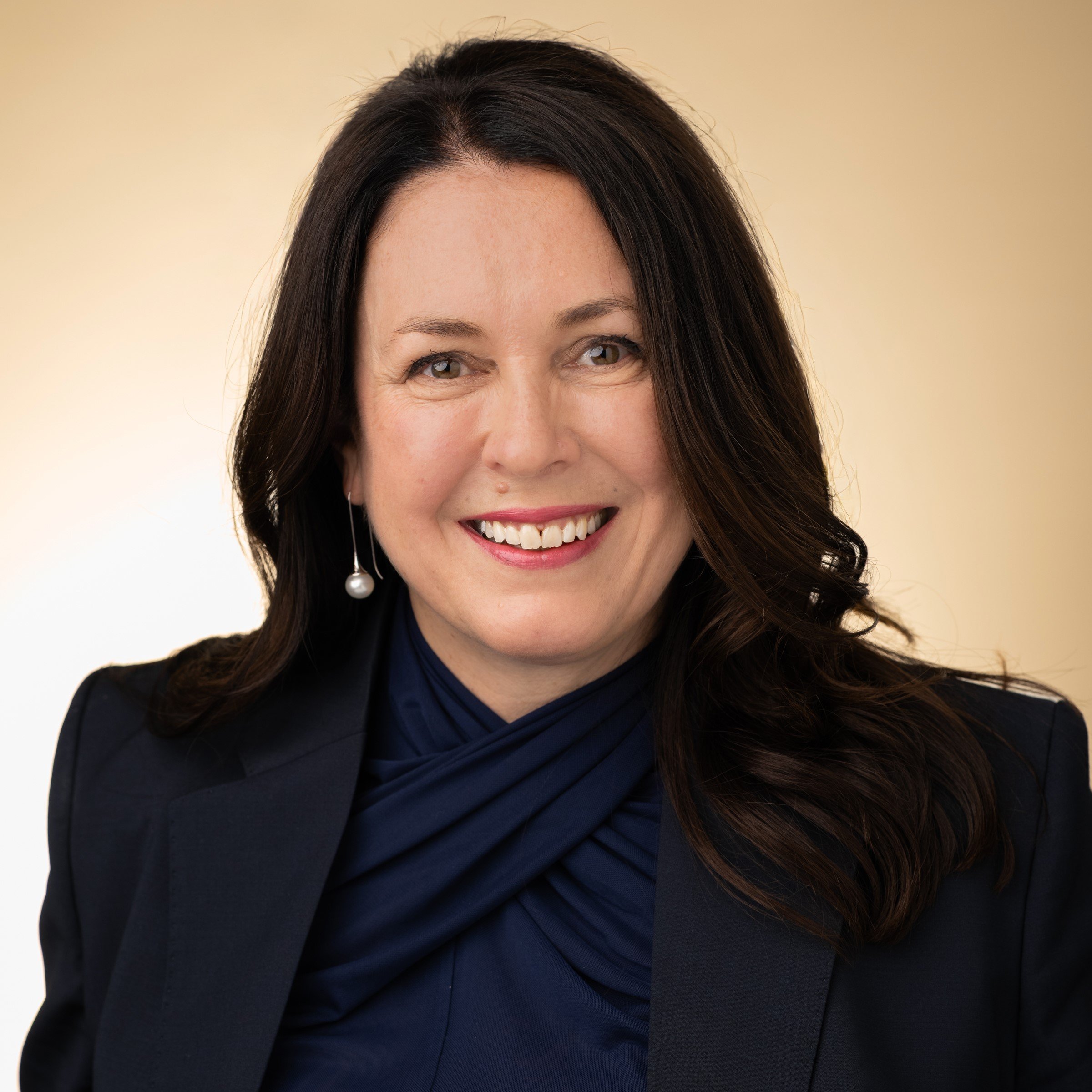
Professor Natasha Harvey
Professor Natasha Harvey is Director of the Centre for Cancer Biology, Head of the Lymphatic Development Laboratory and Co-Director of the NHMRC Centre for Research Excellence in Lymphoedema and Lymphatic Regeneration. Natasha received her PhD in cell and molecular biology from the University of Adelaide and subsequently undertook postdoctoral training at St Jude Children’s Research Hospital, USA. Natasha's postdoctoral studies focussed on embryonic lymphatic vascular development and in particular, defining the role of the homeobox transcription factor PROX1 in programming cell identity during development.
Natasha returned to Adelaide in 2005 to establish her independent research program at the Centre for Cancer Biology. Natasha’s work aims to understand how the lymphatic vasculature is constructed during development and how this process “goes wrong” in human pathologies including cancer, vascular malformations and lymphoedema. Her work in this field has been published in leading international journals including Nature Genetics, Blood, Development, The Journal of Clinical Investigation, Science Translational Medicine and Nature.
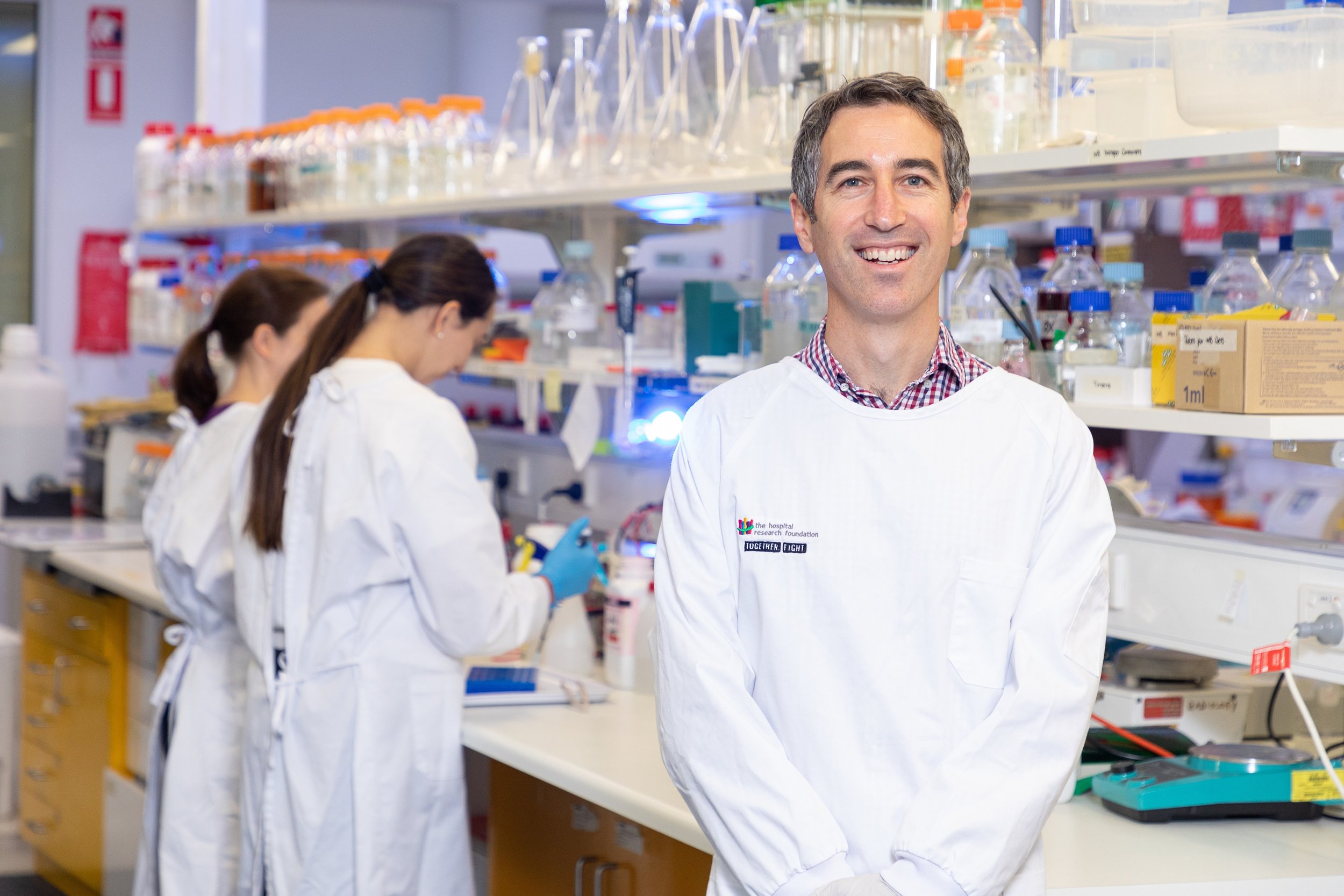
Professor Luke Selth
Professor Luke Selth leads the Prostate Cancer Research Group at Flinders University and is Co-Director of the Flinders Health and Medical Research Institute (FHMRI) Cancer Impact Program. His research focusses on understanding the molecular mechanisms by which prostate tumours become resistant to therapy and metastasise, and using this knowledge to develop new drugs and biomarkers to improve patient outcomes. Luke’s team collaborates widely with prostate cancer consumer advocates, biologists, chemists, clinicians, computational biologists and engineers – in Australia and around the world – to maximise the impact of their research. They are currently funded by NHMRC, Cancer Australia, Cancer Council NSW, ARC, The Hospital Research Foundation and Flinders Foundation.
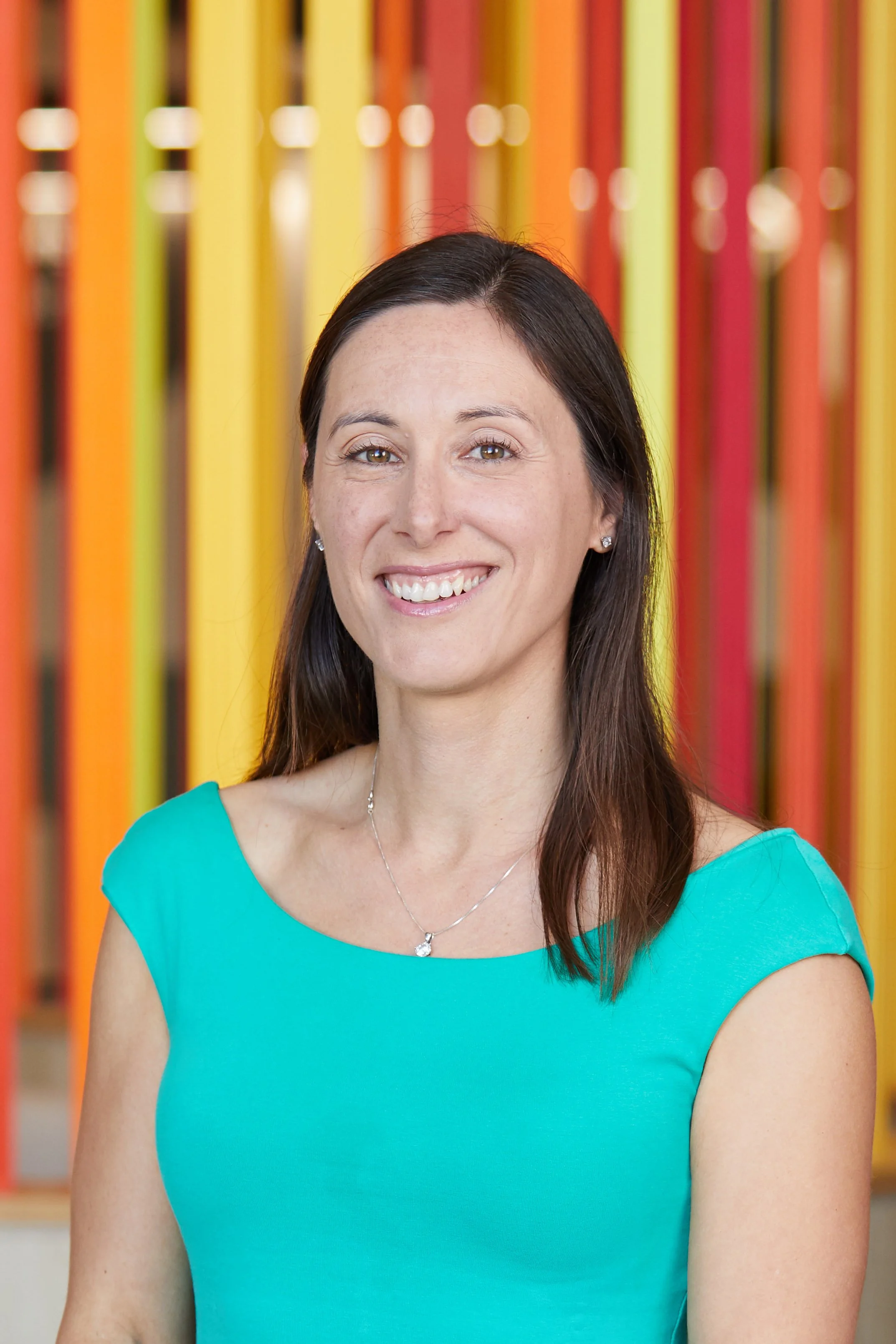
Prof Kate Quinlan
Kate Quinlan is a Professor at the School of Biotechnology and Biomolecular Sciences, UNSW Sydney. She received her PhD from the University of Sydney in 2006 and, following postdoctoral appointments at the Children's Hospital at Westmead and the University of Cambridge, established her research group focussed on mammalian gene regulation at UNSW Sydney in 2018. Along with a dedicated team of postdocs, PhD students and honours students, Kate is exploring how transcription factors read both the DNA sequence and epigenetic landscape to find their target genes.
Prof Alexey V. Terskikh
Alexey V. Terskikh is a Future Health Research & Innovation Distinguished Fellow, Head of the Chromatin and Ageing Laboratory at the Harry Perkins Institute of Medical Research, and Professor at The University of Western Australia. He completed his PhD studies in molecular immunology at the University of Lausanne in 1997 and accomplished his postdoctoral studies in Irv Weissman’s laboratory at Stanford in 2002.
Alexey established his research group at the Ecole Polytechnique Federal (EPFL) in Lausanne (2002) and later moved to The Burnam Institute in San Diego, where he investigated epigenetic mechanisms of neurogenesis using adult mouse dentate gyrus and human-induced pluripotent stem cell models and identified novel approaches to Zika virus treatment and mechanism of viral propagation.
Alexey’s group discovered that patterns of epigenetic marks in the nucleus inform cellular identities and developed a novel technique: microscopic imaging of epigenetic landscapes (MIEL). Application of this technique to ageing, termed image-based chromatin and epigenetic age (ImAge), captures intrinsic age-related progressions (trajectories) of the spatial organisation of chromatin and epigenetic marks in single nuclei. ImAge represents the first-in-class imaging-based biomarker of ageing with true single-cell resolution.
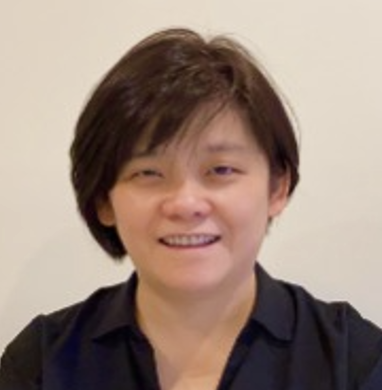
Professor Lee Wong
Lee Wong is Head of the Epigenetics and Chromatin Research Group at the Biomedicine Discovery Institute, Monash University, whose research focuses on chromatin and genome biology. With over 20 years of experience, her work explores how DNA packaging and regulation control genome stability and cell identity, with a particular focus on telomeres and chromatin mutations in paediatric brain cancers.
Her pioneering studies defined key roles for histone H3.3 and its partner ATRX at telomeres, linking ATRX mutations to alternative lengthening of telomeres (ALT), a mechanism used by cancer cells to maintain their chromosomes.
Her team has uncovered how cancer-associated H3.3 mutations, including K27M and G34R, disrupt chromatin organisation and gene regulation in paediatric high-grade glioma. These studies have revealed how altered chromatin states prevent tumour cells from undergoing normal differentiation and create new therapeutic vulnerabilities.
Her current work has identified an H3.3-S31Ph–KDM4 regulatory switch that links chromatin organisation with developmental gene regulation. Disruption of this pathway prevents cells from maturing normally, while restoring it promotes differentiation, providing a potential new therapeutic strategy for H3.3-mutant brain cancers.
She is Chief Investigator on an MRFF Paediatric Brain Cancer Program, leading multi-institutional efforts to translate these discoveries into new therapies for high-risk childhood brain tumours.